Recovery options
Create evidence, protect the trip and price the fallback.
Report the problem before leaving the airport and keep every receipt. These tools support that process; they do not replace it.
Apple AirTag ↗
A tracker can show where a case may be, while the airline’s formal baggage report remains the controlling claim record.
Check AirTagUS DOT baggage guidance ↗
Use the official consumer page for current baggage rights and escalation routes on covered US journeys.
Open DOT baggage guidanceBikeFlights ↗
For a later trip, compare a dedicated shipment only after receiving, coverage, packing and return arrangements are verified.
Review shipping optionsProvider pages checked 16 September 2026. Confirm the exact current service, specification, price and terms before paying.
Detailed planningRead the full guide+
A delayed or damaged bike can derail a cycling trip quickly. The best response is procedural: document, report, preserve evidence and avoid making irreversible decisions before you understand the airline and insurance process.
IF THE BIKE CASE DOES NOT ARRIVE
Report the missing baggage before leaving the airport if the airline provides an in-airport process. Keep the baggage tag, boarding pass, booking reference and any property-irregularity or claim reference.
Ask how tracking works, how delivery will be handled if the case arrives later, and what the airline’s current policy says about reasonable interim expenses.
IF THE CASE ARRIVES DAMAGED
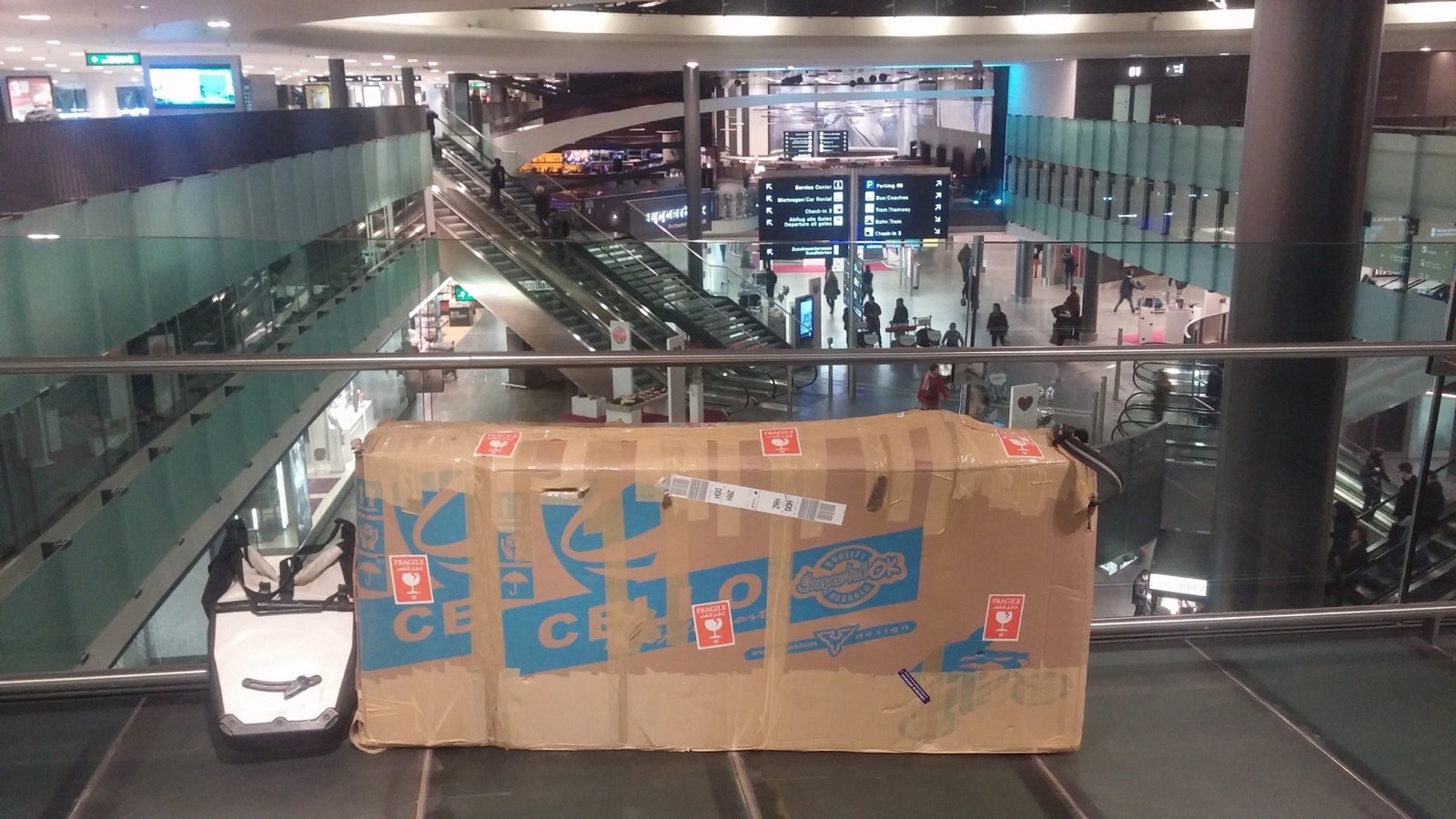
Photograph the exterior before opening where possible. Capture cracks, punctures, crushed corners, broken latches or missing hardware. Then photograph the interior arrangement before fully unpacking.
IF THE BIKE MAY BE DAMAGED
Do not rush to ride it. Compare the bike with pre-flight photos. Look for obvious impact signs and complete a controlled inspection. If there is concern about frame/fork, wheel security, brakes, steering or other safety-critical systems, use a qualified mechanic.
PRESERVE EVIDENCE
Keep:
• baggage tags
• boarding passes
• booking confirmation
• case photos before and after travel
• bike photos before and after travel
• receipts for the bike case and relevant equipment if available
• repair estimates or mechanic reports
• airline correspondence and claim numbers
DO NOT THROW THE CASE AWAY TOO SOON
A damaged case can be evidence. Unless safety or practicality makes retention impossible, avoid disposal until the airline/insurer confirms what documentation it needs.
INTERIM RENTAL BIKE
If the trip is time-sensitive, a rental bike may allow you to ride while the case is delayed or inspected. Before assuming reimbursement, check the airline or insurer’s current policy and keep receipts.
REPAIR VS REPLACEMENT
Do not authorise major repair or disposal solely to make the trip convenient if a claim may depend on inspection or evidence. For safety-critical damage, getting a professional assessment should take priority over preserving riding plans.
INSURANCE
Travel insurance, credit-card coverage, specialist bicycle insurance and airline liability can overlap or differ. Notify the relevant provider promptly and follow the actual policy wording.
THE FIRST-HOUR CHECKLIST
• Report delay/damage immediately where possible.
• Photograph everything.
• Keep baggage and travel documents.
• Do not ride a suspect bike.
• Get a mechanic involved if safety is uncertain.
• Ask the airline what evidence it requires.
• Keep receipts for reasonable replacement/rental expenses.
• Notify applicable insurance.
SAFETY BOUNDARY
This is an evidence-preservation and escalation framework, not legal advice or a mechanical clearance. Claim rules and deadlines vary. Do not ride a bicycle with suspected safety-critical damage until it has been assessed by a qualified mechanic.
Check before you ride
Current official sources
Conditions and access can change. Use these live sources when turning the framework into an actual ride plan.