Detailed planningRead the full guide+
Base, gearing, weather and logistics before you commit to the climb.
WHY THE STELVIO NEEDS A TRIP PLAN
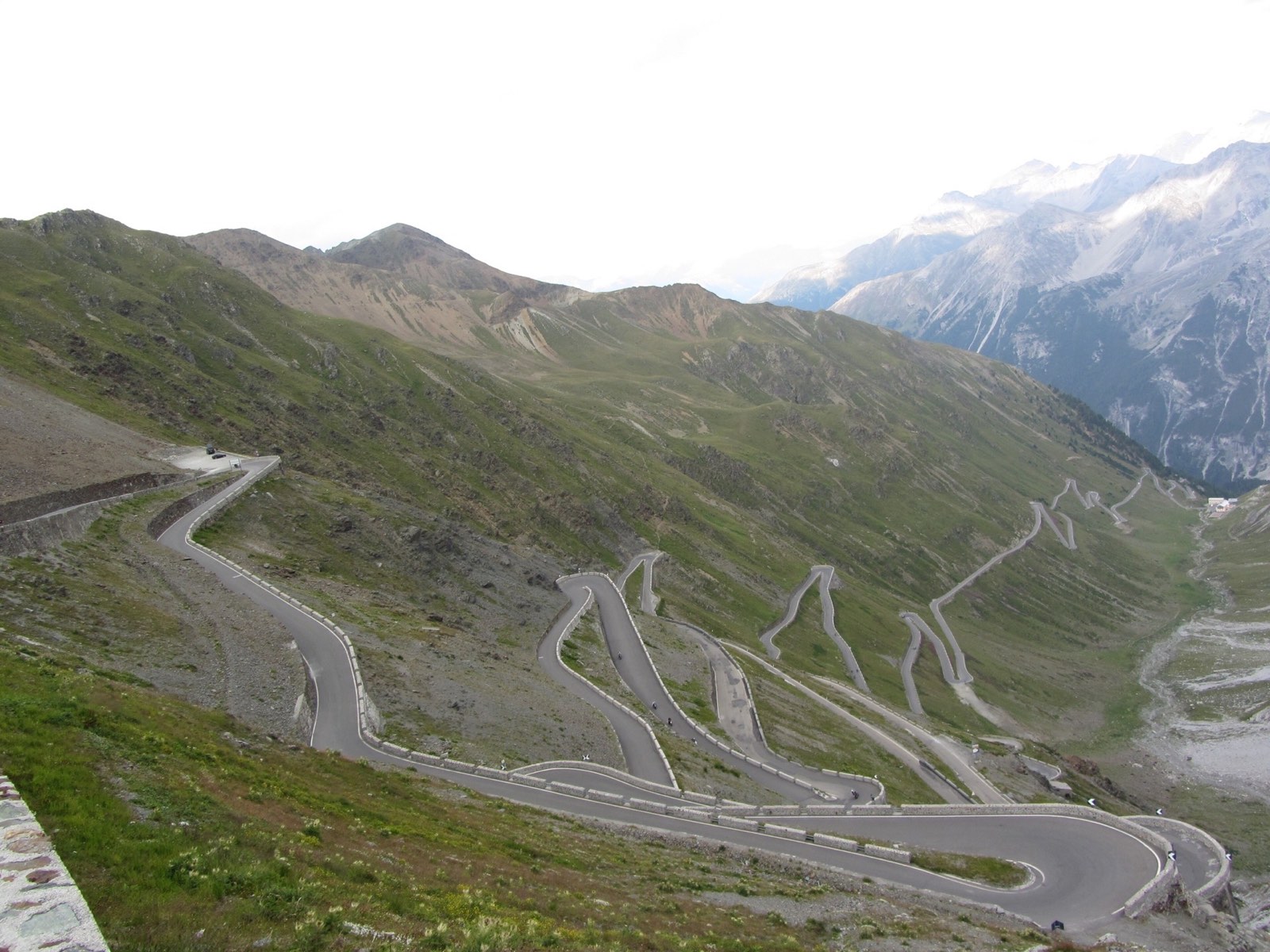
The Stelvio is not simply a climb to insert into any northern-Italy itinerary. Its high-altitude road environment, seasonal access, long ascent/descent and mountain location mean that base choice, weather and transport deserve as much attention as fitness.
BASE FIRST
Bormio is a logical base for a Stelvio-focused trip because it places the rider within a coherent high-mountain cycling area. Other approaches and multi-pass itineraries can be designed, but for a first visit simplicity has value.
Avoid choosing accommodation solely on price or luxury if it turns every headline ride into a vehicle transfer. For a cycling-led trip, ride access is part of the hotel value proposition.
WHEN TO PLAN
High passes are seasonal. Historic opening patterns are useful for broad trip planning but are not proof that the road will be open on your dates. Snow, maintenance, weather events and temporary restrictions can affect access.
Before travel, check current road status from authoritative/local sources. Repeat the check on the morning of the ride.
GEARING
There is no universal “Stelvio gear.” Appropriate gearing depends on rider strength, cadence preference, bike weight, fatigue and which side/route you ride. The practical principle is to give yourself more low gearing than you expect to need rather than designing the setup around your best fresh-day power.
If renting, ask for the actual chainring/cassette configuration and confirm that the easiest ratio is appropriate for you. “Climbing bike” is not a specification.
PACING
Treat a long Alpine climb as an endurance effort rather than a short test. Starting too hard can turn the upper mountain into survival. Eat and drink before you feel behind, and account for the rest of the route rather than treating the summit as the finish.
WEATHER
Valley conditions do not describe the summit. Temperature, wind, cloud and precipitation can be materially different higher up. A warm climb can lead into a cold descent.
Carry layers appropriate to the forecast and altitude. Establish a turn-around rule before the ride. A summit objective is optional; safe descent is not.
DESCENDING
The descent deserves its own preparation. Confirm the bike is correctly assembled and brakes/wheels are in appropriate condition before the trip. Ride within visibility and ability, obey local rules, and expect changing surface, traffic and weather conditions.
ARRIVAL DAY
Do not land, assemble a boxed bicycle and make the Stelvio the first functional test. Complete the Pedal Elsewhere Post-Flight Bike Check and use a short low-risk shakedown first. If renting, use the arrival ride to confirm fit, brakes, shifting and gearing.
GETTING TO BORMIO WITH A BIKE CASE
The airport-to-mountain transfer is a major part of the trip. Milan-area gateways can be relevant depending on the itinerary, but the exact transfer should be planned door to door. Confirm vehicle capacity for passengers, bike cases and normal luggage.
If combining rail and road transport, verify current luggage/bicycle rules for each service. A boxed bike is not automatically treated like ordinary luggage.
A THREE-DAY STELVIO-LED FRAMEWORK
Day 1 — Arrival, assembly/rental setup and shakedown.
Day 2 — Primary Stelvio objective if weather and road status are suitable.
Day 3 — Lower-intensity or alternative route selected according to recovery and conditions.
For a longer stay, add other major climbs only with deliberate recovery. The goal is a strong week, not a list of famous names completed while progressively exhausted.
IF THE WEATHER FAILS
Have a lower-altitude or less exposed alternative. Do not wait until breakfast to invent the fallback. A flexible itinerary is one of the highest-value forms of Alpine trip insurance.
STELVIO CHECKLIST
• Road access verified close to travel and again before riding.
• Base selected for ride access.
• Bike or rental gearing confirmed.
• Arrival-day shakedown completed.
• Weather checked at relevant elevations.
• Layers suitable for the descent packed.
• Nutrition/hydration plan appropriate to the route.
• Brake/wheel condition satisfactory.
• Turn-around decision rule established.
• Alternative ride identified.
Check before you ride
Current official sources
Conditions and access can change. Use these live sources when turning the framework into an actual ride plan.