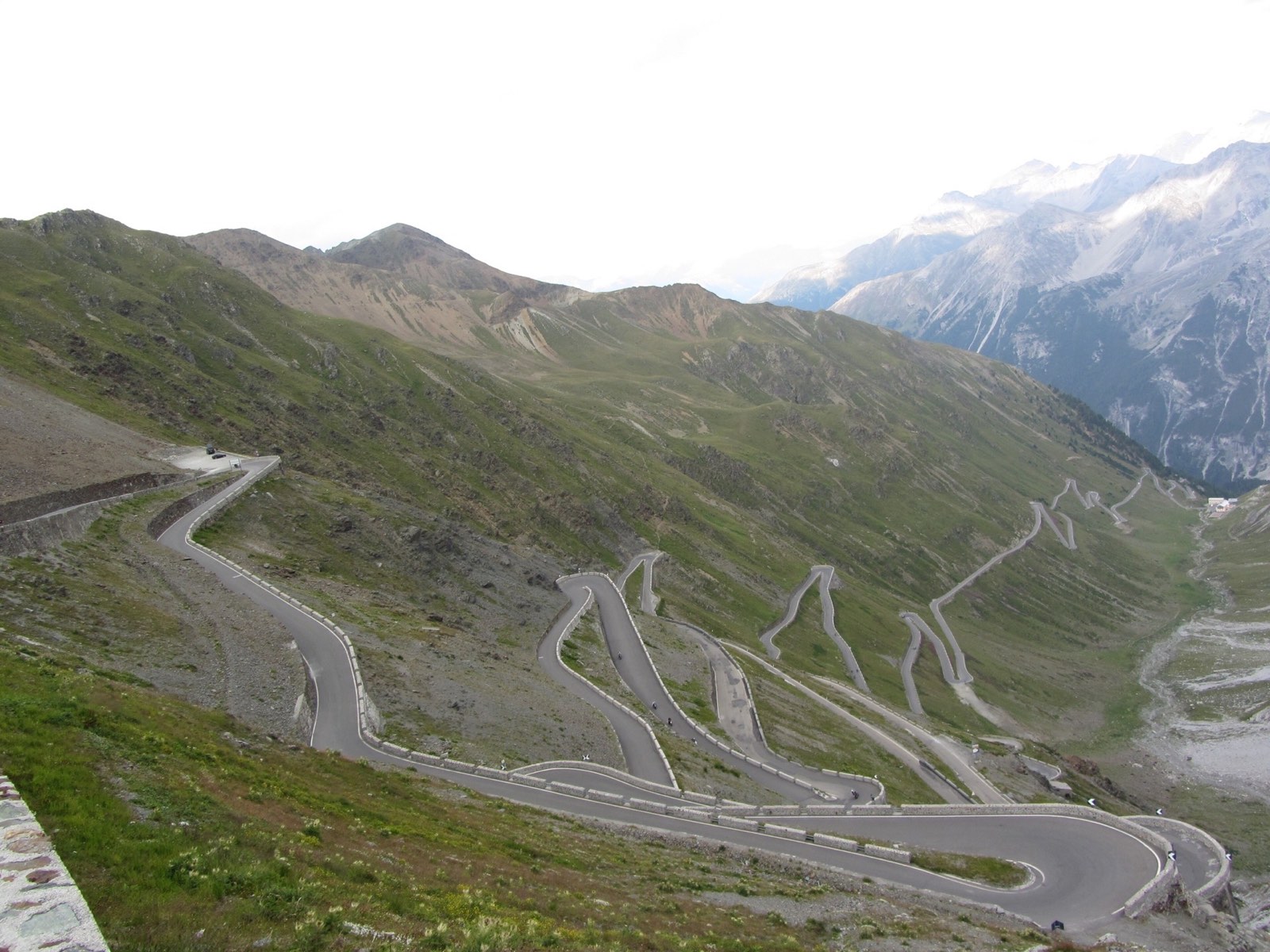
Bormio shortlist
Compare the stay and local support separately
Start with two contrasting Bormio stays, then verify local rental or guiding against the exact mountain week.
Hotel Funivia ↗
The first comparison for a cycling-led stay with the mountain week organised around a stable Bormio base.
Visit Hotel FuniviaHotel San Lorenzo ↗
Compare when a more conventional Bormio town stay is preferable to a dedicated cycling-hotel proposition.
Visit Hotel San LorenzoStelvio eXperience ↗
Use as a local comparison for accompanied riding, rental or support; verify the actual service and equipment for your dates.
Visit Stelvio eXperienceProvider pages checked 15 September 2026. Confirm the exact current service, specification, price and terms before paying.
Detailed planningRead the full guide+
How to choose where and how to stay for a Bormio-led Alpine cycling week, with ride access, storage, recovery and transfer practicality taking priority over generic hotel rankings.
WHY THIS GUIDE EXISTS
The Italian Alps hub explains why Bormio is one of the clearest first branches for a dedicated climbing trip. This guide answers the next question: what should the base actually do for the rider?
Do not confuse “best hotel” with “best cycling base.” The useful criteria are access to planned rides, bicycle/case storage, recovery logistics, food timing, workshop support and whether the property makes the airport-to-mountain transfer easier or harder.
1. START WITH RIDE ACCESS
The strongest base is one that reduces unnecessary transport before and after the rides you care about. For a Bormio-led trip, prioritise the relationship between the accommodation and your planned Stelvio/Gavia/Mortirolo-style objectives rather than hotel category alone.
A slightly less luxurious property that lets you start and finish key rides cleanly can be a better cycling choice than a more elaborate property requiring repeated vehicle logistics.
2. CENTRAL VS EDGE-OF-TOWN
Central Bormio can be attractive when restaurants, cafés and walking after the ride matter. The trade-off can be tighter vehicle access, smaller storage areas or less convenient loading/unloading with large cases.
A property nearer the edge of town can offer easier parking, larger storage and simpler transfer access, but may give up some walkability.
Neither is universally better. Decide which friction matters more for your trip.
3. CONFIRM BICYCLE STORAGE
Ask explicitly where bicycles are stored, whether access is controlled, whether bikes are permitted in rooms, and whether there are any restrictions imposed by the property.
If renting, check that the storage arrangement also complies with the rental provider’s security terms.
4. CONFIRM EMPTY-CASE STORAGE
For bring-your-own trips, the bike case matters after arrival. A large hard case can dominate a room or corridor for a week. Ask where it can be stored and whether there is any charge or access limitation.
This is especially important if the property is compact or historic.
5. CHECK RECOVERY PRACTICALITY
For a climbing week, useful features can include early or flexible breakfast, straightforward access to food after long rides, laundry/drying options, secure bike washing where permitted and the ability to recover without complex transport.
Do not assume “cycling-friendly” guarantees any of these. Verify the actual service.
6. WORKSHOP / MECHANICAL CONTINGENCY
Know where qualified local mechanical support is available before the first major ride. This is contingency planning, not an endorsement of a specific workshop.
If the property advertises workshop facilities, confirm what that actually means: basic tools, secure work area, pump, mechanic partnership or something else.
7. PARKING / TRANSFER ACCESS
If arriving by private transfer or rental car with cases, confirm unloading and parking practicality. A base that is excellent on the bike can still create avoidable arrival friction if a large vehicle cannot get close to the property.
Use Milan Airport to the Italian Alps With a Bike Case for the transfer decision.
8. NON-RIDING TIME STILL MATTERS
Even on a cycling-first trip, the week includes evenings, recovery days and weather disruption. A base with easy access to restaurants, shops and comfortable downtime can be more valuable than one optimised only for departure in the morning.
This becomes more important if a partner or family member is travelling but not riding every day.
THE BORMIO BASE CHECKLIST
Before booking, confirm:
HOW THIS CONNECTS TO THE ITINERARY
Use A Week Elsewhere — Your First Alpine Cycling Week to structure the ride/recovery rhythm. Use Stelvio Cycling Trip Planning for the specific feature-day logic. Use What Gearing Do You Need for the Italian Alps? before confirming the bike setup.
WHAT THIS GUIDE DOES NOT CLAIM
It does not rank hotels, claim first-hand stays or certify a property as cycling-friendly. Named recommendations should be added only after current facilities, access, storage and commercial status are verified.
WHERE WE WOULD START IN BORMIO
PEDAL ELSEWHERE PICK FOR A FIRST BORMIO WEEK: STAY IN BORMIO ITSELF
Do not move between Alpine hotels to get closer to individual passes. For a first week, the advantage is one stable base with recovery, restaurants, bike storage and weather flexibility. Choose a property that works operationally for the bike rather than chasing the most luxurious room.
1. HOTEL FUNIVIA — FIRST CYCLING-HOTEL COMPARISON
Hotel Funivia is our first named Bormio hotel candidate because its cycling proposition is specific enough to test against our checklist. Current hotel material advertises cycling-oriented services including secure/monitored bike storage, a workshop/work area and facilities intended for riders; current cycling-hotel listings also reference bike washing and laundry-related services. Verify each facility, seasonal availability, access and any charges directly before booking.
Best fit: cycling-first groups who value on-site bike infrastructure and a Bormio base more than resort-style luxury.
Check before booking: exact bike-room security/access; empty hard-case storage; workshop scope versus actual mechanic support; washing/laundry; breakfast timing; parking/transfer unloading; cancellation terms; and distance/practicality for the planned rides.
2. A TOWN-CENTRE BORMIO ALTERNATIVE
Use Hotel San Lorenzo in Bormio as the first contrasting accommodation comparison. Its current official cycling material describes a dedicated secure bike room with video surveillance, workshop tools/workbench, bike washing, cycling-clothing laundry and bike-rental/guide support, while the hotel’s central Bormio position gives it a more town-led profile than choosing solely around a cycling-sport proposition. Before booking, recheck every cycling facility, empty-case storage, breakfast timing, access/parking, seasonal availability and any charges directly with the hotel. This gives the reader a meaningful Funivia vs San Lorenzo comparison rather than allowing “cycling facilities” alone to determine the recommendation.
LOCAL RIDING / SUPPORT PARTNER: STELVIO EXPERIENCE
Stelvio eXperience is the first local operator we would compare for rental, guided riding and transfer or logistics support around Bormio. Verify the current service and inclusions directly; its role is separate from the hotel recommendation.
READER SHORTCUT
First dedicated climbing week → Bormio itself; start hotel comparison with Funivia plus one verified alternative.
Premium spa/recovery-led trip → compare a higher-service Bormio property that still meets bike/case requirements.
Do not choose a remote property merely for scenery if it adds a vehicle journey to dinner, mechanical support or the rides you came to do.